Lifehammer: an innovation that saves lives
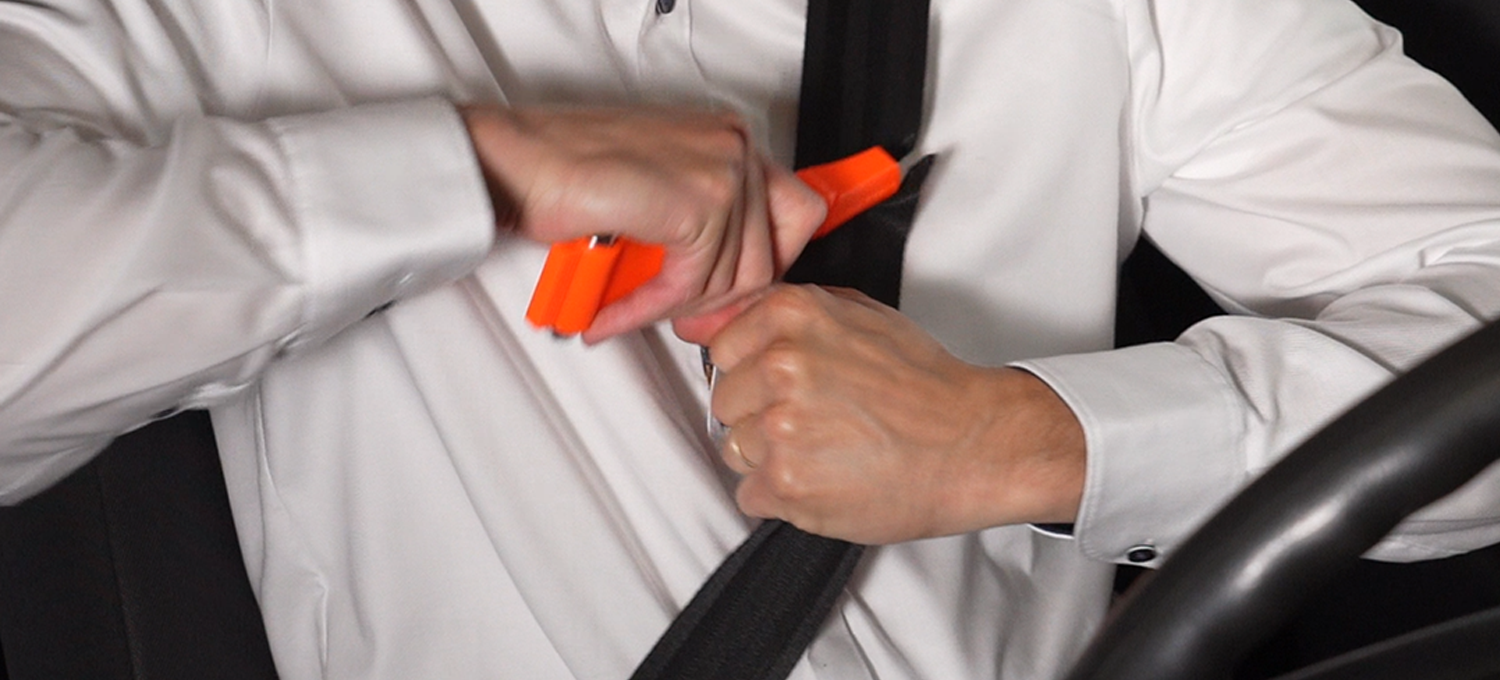
Safety hammers - you would rather not have to use one but they can save lives. Lifehammer, a Dutch company, has been developing safety hammers for decades. The company continues to innovate to make the simple principle of breaking glass and cutting seat belts increasingly intuitive. CEO Hans van Velzen explains how Lifehammer is innovating and how they protect their intellectual property.
You almost never need one
The original Lifehammer was invented over forty years ago but interest in this innovation only really started to gain momentum after a tragic accident which took place in 1998. It involved three police officers who were killed when their car ended up in the water. From that time on it was recommended that every new car should be fitted with a safety hammer. Since then, the orange Lifehammer has been fitted in Dutch cars as standard.
"99.9% of people will never need to use one," says Hans. "But in the remaining 0.1% of cases a safety hammer simply has to work. That's what makes our product special: people buy something they aren't able to test but which they have to trust with their lives."
Innovation through the years
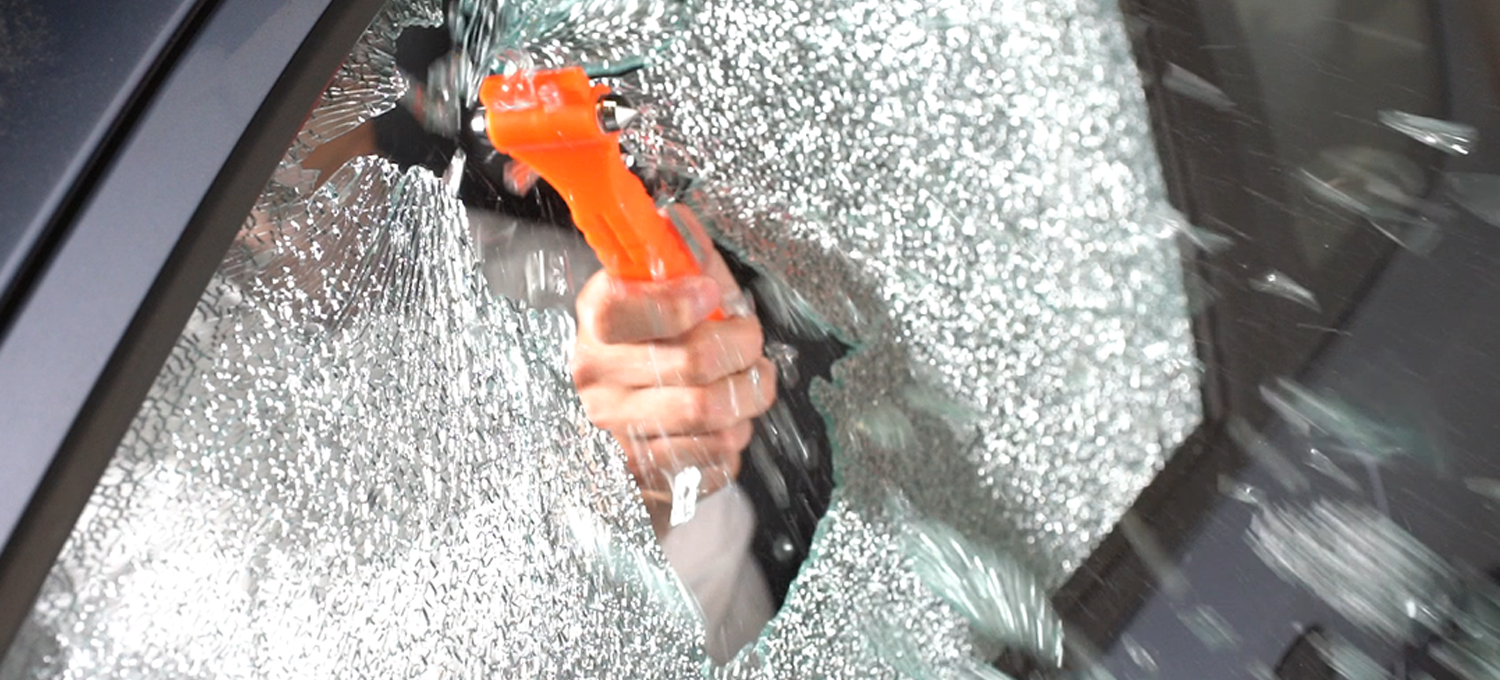
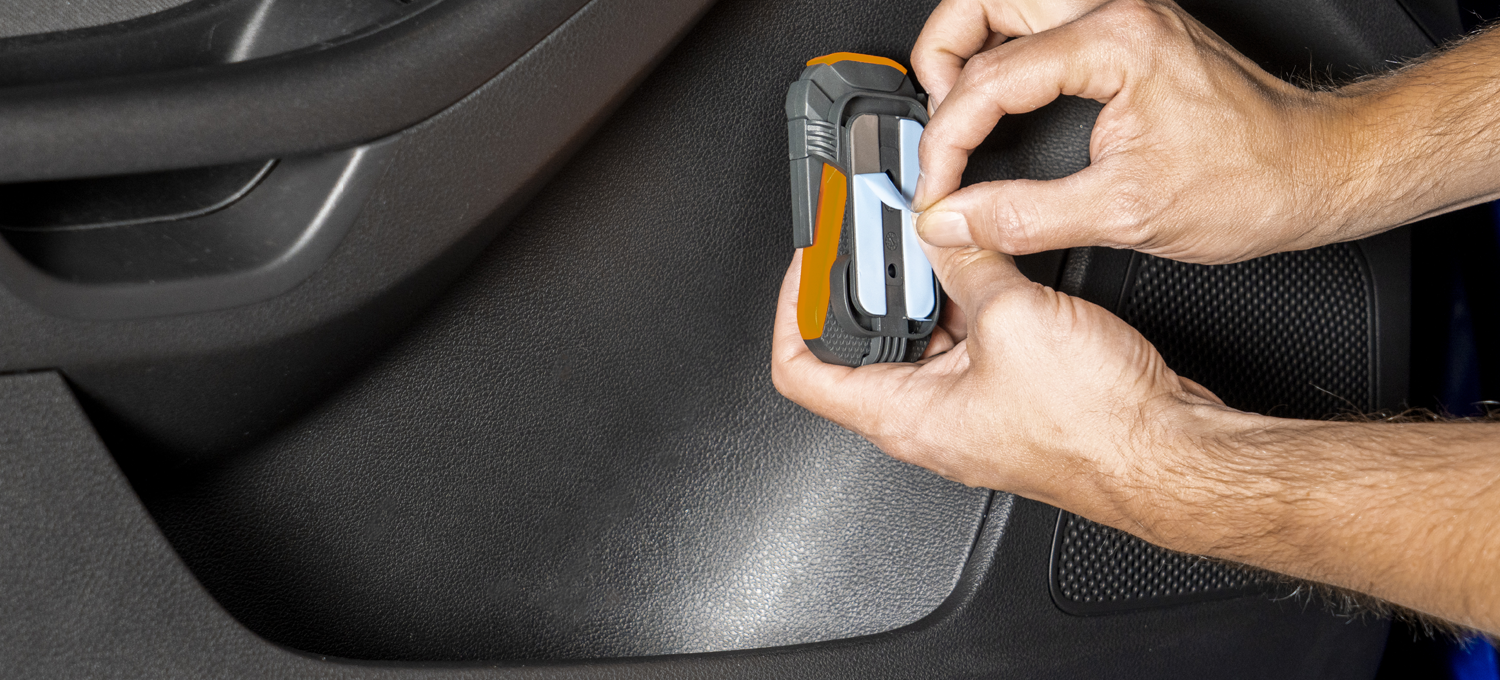
There may not seem to be much room for further development in a safety hammer but Lifehammer nevertheless continues to work on this. The latest hammer is the size of a credit card and can be attached anywhere that the driver can easily reach from their seat while still wearing their seatbelt. The way in which the glass is broken has also changed. Hans: "We are moving further and further away from hitting the glass to pressing it. The latter requires less force and works better in confined spaces. When you press the hammer against the glass an internal spring mechanism releases a ceramic pin that breaks the glass. Ceramics are even harder than steel and the hammer will even work when water has already got into the car."
Fight against infringers
Lifehammer has various patents and design rights. For example, a patent on the spring mechanism that releases the ceramic pin and design rights on the appearance of the various types of safety hammers. The company also has a strong focus on protecting its brand name. Hans explains: "When someone buys a counterfeit product but thinks they have bought a genuine Lifehammer it undermines people's confidence in our brand."
Hans explains why they put so much effort into combating infringers: "First and foremost, it's about safety. You can buy all sorts of hammers from cheap online shops but you will only find out that it's not a good hammer when you actually need to use it in an emergency. We employ someone who spends a lot of time each week tracking down these kinds of infringers. Fortunately, nine out of ten sellers we write to will remove the reference to Lifehammer. On the other hand, several new online shops will pop up a week later."
Collaboration with EP&C
A product that makes the world a better place
Lifehammer contributes to road safety in a unique way. According to Hans people only think about safety hammers when something happens. "After traffic accidents, we see an increase in online orders. Nobody wakes up in the morning and thinks: I'm going to buy a safety hammer today."
However, the hammers are not only used when a car has ended up in the water. Hans explains: "Our hammers are also used by emergency services. For example, in the event of accidents or fires, if the door no longer works, or to gain access when someone has become unwell behind the wheel or a child or pet has been left in a hot car."

Continuous development
What else could you do in terms of further developing a safety hammer? Plenty, Hans explains. "We continue to look for new ways to make the hammer even more intuitive. And there are even more developments that we want to bring to market in the coming years, but I'll keep those to myself until we have the patent, of course."
By continuing to innovate and strategically protecting their intellectual property Lifehammer ensures that their life-saving technology continues to be reliable. EP&C is proud to contribute to Lifehammer's ability to continue doing what they do best: developing products that can make the difference between life and death.