Innovative nuclear energy for a sustainable future
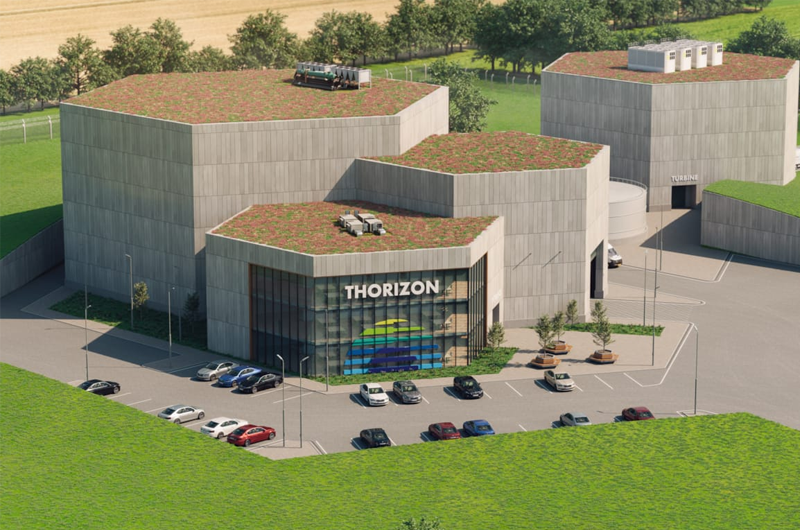
At EP&C we enjoy working with companies that contribute to a better world with the aid of innovative solutions. Thorizon is a great example of such a company. Based in the Netherlands and France they are working on nuclear energy that is safe, smart and circular.
Nuclear energy for the future
We are facing a major worldwide challenge - the energy transition to clean and safe energy sources. Thorizon is contributing to this with an innovative approach to a persistent problem i.e. nuclear waste. Thorizon's CTO and inventor of the innovation, Sander de Groot, explains how it works. "Nuclear waste consists, among other things, of long-lived, heavy elements that contain a lot of energy. We work with a partner in France who extracts these elements from the waste. We then use these heavy elements from the waste as fuel in our reactor. This way, we make the waste short-lived while we generate energy and make nuclear energy circular."
Sustainable and environmentally friendly
The innovation also has other advantages that ensure a sustainable and environmentally friendly solution. Sander explains: "The reactors are able to process existing nuclear waste, which reduces the total amount of radioactive waste. So it's not only environmentally friendly, but also offers a solution to some of the biggest challenges in the nuclear energy sector, such as waste management and fuel efficiency."
What about safety?
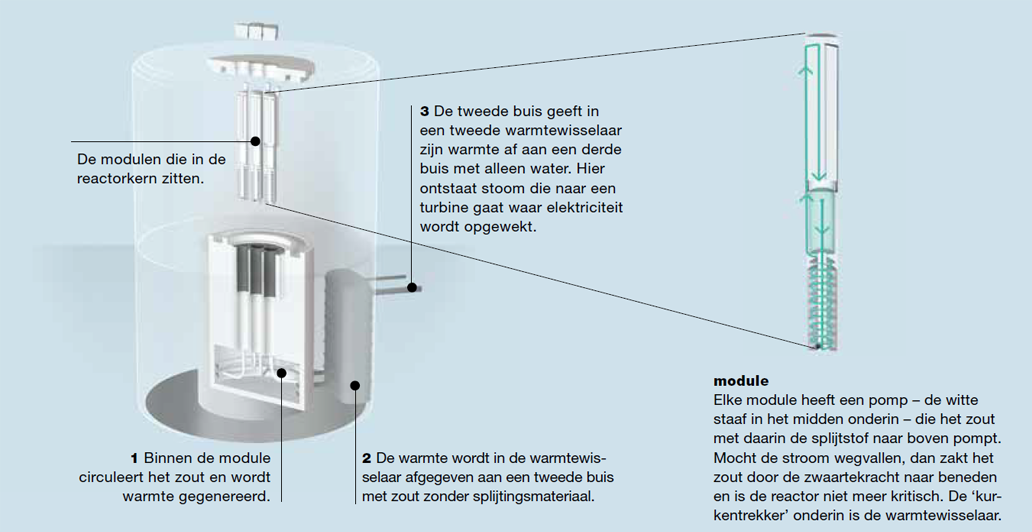
What about one of the most frequently heard concerns surrounding nuclear reactors i.e. safety? The reactor Thorizon is working on has a modular design, which offers a safe solution. "We have built the reactor in a modular design with cylinders that can be replaced without having to open anything, either before, during or after the process. These cylinders, called cartridges, contain a molten salt with fuel. A molten salt reactor works very differently from a traditional nuclear power plant. The fuel is liquid and can flow anywhere. As it heats up, it expands and the critical reaction slows down. The reactor corrects itself. If something goes wrong and the temperature gets too high, you can simply drain the core and the reactor shuts down. This allows you to ensure in passive ways that things never get out of hand."
Thanks to the patent
Sander approached EP&C to protect the innovation. This was an important step, because Thorizon's intellectual property is extremely valuable. "The patent is a kind of guarantee that our idea cannot be stolen. That is important to us, but certainly also to our investors. It makes our company more valuable, which is important to them and to us," Sander explains.
Patent strategy
Sander worked in close collaboration with EP&C in order to achieve a broad scope of protection. He explains: "I don't want a patent just for the sake of having one. I want a strategic patent, and EP&C is very good at coming up with ways to achieve this. We work in close collaboration with them them and don't just ask them to come up with a patent text. We start by explaining what it is we want to achieve and sharing our ideas with them in a great amount of detail. They subsequently share their thoughts on this with us and explain what the best patent strategy would be. We now have a really good patent because it offers a broad scope of protection.”
Nuclear energy is essential for the future
Sanders' motivation to work on this reactor is mainly driven by his conviction that we cannot do without nuclear energy. "The energy problem is huge. It concerns the climate, but also waste streams, raw materials, dependence, geopolitics, reliability, availability and affordability. An energy supply that meets these requirements is essential for our prosperity and society. Anyone who can do the maths knows that nuclear energy is necessary. Our reactor contributes to a responsible energy supply."
With its modular molten salt reactor, Thorizon is building a circular and safe future for nuclear energy. And thanks to a smart patent strategy, the way is open to implement this innovation worldwide.